
Module 4
Unmasking Bias in a Digital World
Overview
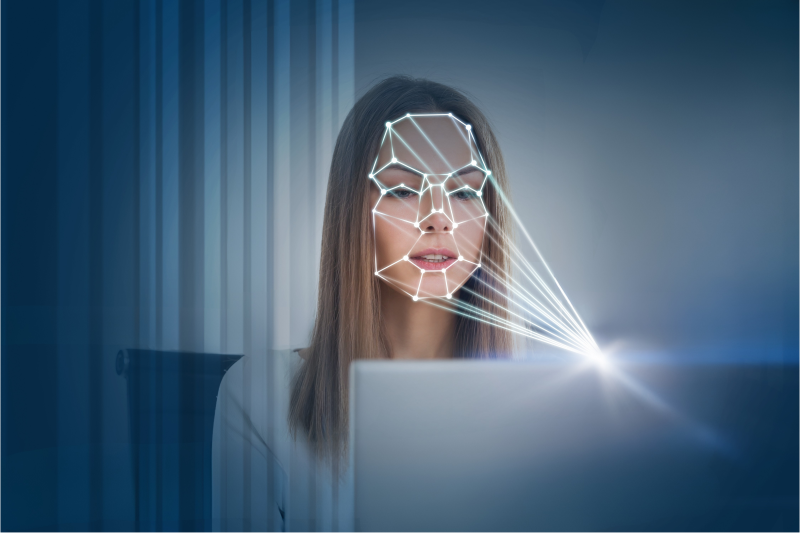
Students explore how human bias influences technology and how AI can reinforce or challenge inequality. Through interactive lessons, simulations, and creative projects, they learn to recognize bias in data, design fairer systems, and use art to imagine more inclusive technologies.
Creative lens: Data simulations, bias mapping, inclusive design projects
Aligned to: ISTE, CSTA, ELA, NGSS, and National Core Arts Standards
Lessons
Lesson 1
View LessonIn this lesson, students explore internalized bias—how personal perceptions of self and others are shaped by social and digital influences. They examine how technology, especially AI, can reinforce or challenge these biases through algorithms, recommendations, and image recognition. Students connect their personal experiences with real-world AI systems, gaining awareness of how human bias can shape data and influence outcomes. This understanding helps students recognize and challenge bias to promote fairness and inclusion in a digital world.
Lesson 2
View LessonIn this lesson, students explore implicit (unconscious) bias—the automatic judgments and assumptions that influence our decisions without us realizing it. Students learn how these hidden biases form through experience, culture, and media, and how similar patterns can appear in AI systems that make recommendations or decisions. By understanding these links, students are empowered to recognize, question, and reduce bias in themselves and the technology they use.
Lesson 3
View LessonIn this lesson, students will explore how biased data influences AI systems through two engaging simulations: a music recommendation activity and a predictive language task. Students will see how incomplete or biased training data can lead to skewed AI decisions, then connect this idea to how human language and assumptions reveal unconscious bias. These activities help students reflect on fairness, representation, and how both human and AI “inputs” shape outcomes.
Lesson 4
View LessonIn this lesson, students will simulate how algorithms make decisions and explore how bias and unfair weighting can impact outcomes. Through a hands-on activity, they’ll see how small changes in data or design can lead to unequal treatment of different groups. This helps students understand the importance of fairness in AI systems and equips them to think critically about the algorithms shaping our world.
Lesson 5
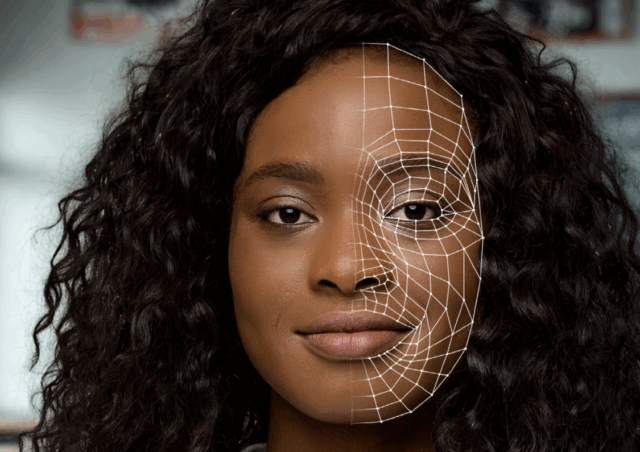
View LessonThis arts-based lesson invites students to explore how bias in artificial intelligence (AI) can affect the way people are seen, represented, and treated. Through critical analysis of AI-generated images and creative expression, students will examine who is included, who is excluded, and how that impacts individuals and communities. Students will then use visual or written art to respond, either by showing the harm caused by bias or imagining a more inclusive future shaped by fair and ethical AI.